
OpenAI, the company behind ChatGPT, is reportedly working on its first major consumer hardware product. Recent reports have sparked conversations across the tech world about an upcoming AI-powered gadget. This development, often referred to as the OpenAI hardware leak, suggests that the company may soon enter the physical device market in a big way.
While OpenAI has not officially confirmed all details, multiple industry sources indicate that a next-generation AI device is under development — and it could change how we interact with artificial intelligence at home.
What Is the OpenAI Smart Speaker?
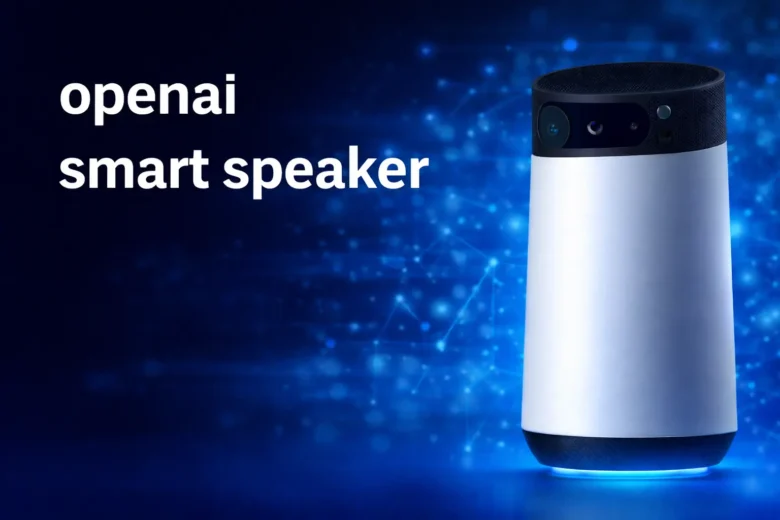
According to reports, OpenAI is developing an OpenAI smart speaker that goes beyond traditional voice assistants. Unlike basic smart speakers that simply respond to voice commands, this new device is expected to include:
- Advanced AI processing
- Built-in cameras and microphones
- Environmental awareness
- Context-based responses
This rumored ChatGPT smart gadget may integrate deeply with OpenAI’s language models, allowing it to analyze surroundings, understand context, and respond intelligently.
OpenAI AI Device 2027: Expected Launch Timeline
The expected launch window for this project is early 2027, which is why many reports are calling it the OpenAI AI device 2027. Development delays and technical refinements are reportedly pushing the launch timeline further to ensure the device meets consumer expectations.
If launched successfully, this could become OpenAI’s first major step into consumer electronics — expanding beyond software into physical AI-powered products.
Is It Just a Speaker? Or Something More?
Although initial leaks describe a smart speaker, some insiders suggest that the company may also explore a more compact form factor — possibly an OpenAI wearable device.
This wearable concept could function as:
- A screenless AI assistant
- A pocket-sized contextual AI tool
- A device that works independently of smartphones
While this idea remains speculative, it aligns with OpenAI’s broader ambition to make AI more ambient and integrated into everyday life.
Jony Ive and OpenAI Hardware Collaboration
One of the biggest signals that this project is serious is the involvement of legendary designer Jony Ive. After acquiring hardware startup io Products, OpenAI gained access to top-tier product design expertise.
The partnership is widely referred to as Jony Ive OpenAI hardware collaboration. Jony Ive, known for designing iconic Apple products like the iPhone and iPad, brings strong design credibility to the project. This suggests that the upcoming device will not only be powerful but also thoughtfully designed for daily use.
What Makes This Different from Other AI Devices?
The key difference lies in integration. The upcoming OpenAI Gen AI device is expected to combine:
- Real-world awareness
- Continuous AI processing
- Advanced conversational intelligence
- Potential object and environment recognition
Unlike traditional assistants, this device may understand context visually and audibly, making it more proactive rather than reactive.
This ongoing development has quickly become one of the biggest topics in OpenAI AI hardware news.
Privacy and Technical Challenges
With built-in cameras and microphones, privacy is a major concern. Users are increasingly cautious about devices that constantly observe or listen in personal spaces.
OpenAI will likely need to:
- Provide strong privacy controls
- Offer transparent data policies
- Ensure secure processing
Technical challenges are also significant. Creating a reliable AI-native hardware product requires seamless integration between software and physical components.
Why This Matters
If the OpenAI hardware leak turns into a successful commercial product, it could redefine how people interact with AI daily. Rather than accessing ChatGPT only through phones or laptops, users might have a dedicated AI device that understands context and responds intelligently in real time.
The potential impact includes:
- Smarter home automation
- Enhanced personal productivity
- More natural human-AI interaction
- A new category of AI-native devices
The rumored OpenAI smart speaker or wearable could compete directly with products from Amazon, Google, and Apple — but with deeper generative AI integration.
Final Thoughts
The reports surrounding the OpenAI AI device 2027 mark a significant moment in AI evolution. With strong design backing from the Jony Ive OpenAI hardware collaboration and growing buzz in OpenAI AI hardware news, this project could represent the next major step in consumer AI technology.
Whether it launches as a speaker, a wearable, or something entirely new, the upcoming OpenAI Gen AI device could transform how we experience artificial intelligence in everyday life.
For now, the tech world waits to see if this ambitious concept becomes a breakthrough product.